
If you are planning to import dried mango from Vietnam to the UK, check out our Buyer guide here to ensure the smooth shipment from beginning to end.
This guide is for food importers, repackers and private-label snack brands. It explains the questions to ask before progressing an enquiry. It is general information, not a customs, food-safety or legal approval. Requirements can change according to the product, ingredients and treatment, packaging, intended sale, point of entry and whether goods are entering Great Britain or Northern Ireland. For a transaction-specific assessment, consult your customs broker, competent authority and food-safety adviser.
Five decisions UK Buyers Should Check Before Importing Dried Mango from Vietnam
1) Start with the product brief
“Dried mango” is not a complete buying specification. Before comparing suppliers, write down what your customers and production process require: the format or cut; the texture and sweetness profile you want to evaluate; whether the product is plain or includes any added ingredients or treatment; pack format and case configuration; the intended retail, foodservice, ingredient or repacking application; target market and sales channel; and expected volume and delivery destination.
Do not assume that two offers describe the same product. A lower price can reflect a different cut, specification, pack, treatment, freight basis or commercial term. Ask every supplier to quote against the same written brief and identify any assumptions. This makes it easier to compare commercial offers without losing sight of buyer requirements.
Check out what VNPROMISE can offer: Soft Dried Mango supplier
2) Plan the UK route before placing an order
The importer of record and its customs agent should determine the correct commodity classification and duty or tax treatment for the exact goods. A dried-fruit product may require classification analysis based on composition, preparation and presentation. Do not select a code from a search result or a previous shipment without checking it for the current product. GOV.UK identifies commodity classification as part of the import process because it drives the measures and duty treatment that apply to a declaration.
The destination also matters. Great Britain (England, Scotland and Wales) and Northern Ireland do not have identical import arrangements. Before progressing a shipment, confirm: where the goods will enter; who will act as importer of record; who will make the customs declaration; the commodity code for the exact product; whether a licence, certificate, notification or border-control process applies; and which records must be retained. The buyer’s customs broker and competent food-safety adviser should confirm the route-specific answer shortly before shipment.
3) Ask for a specification-led quotation
An enquiry should ask the supplier to quote against a shared specification and to state what is included. Useful questions are: What product description does the price cover? Which pack and case configuration are assumed? Which delivery term, destination and currency are assumed? Which party handles freight, customs clearance and import charges? What is the proposed process for specification confirmation and sample evaluation? What product information can be provided for review for this specific enquiry?
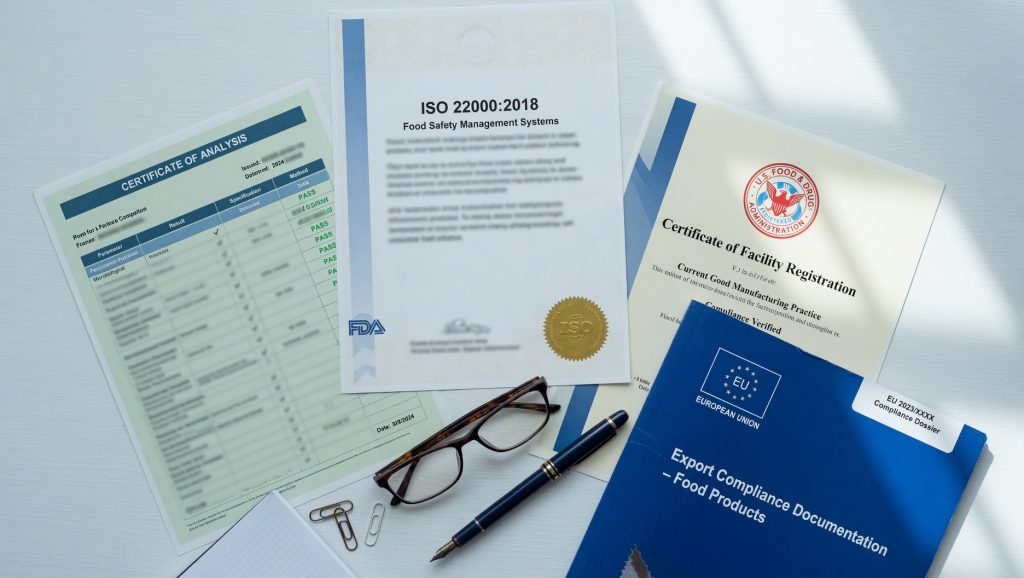
Documentation is discussed based on the product, destination market and buyer requirements. Please share your required specifications and documents when requesting a quote or sample.
This wording is deliberate. A supplier conversation should establish what is available for the specific order; it should not turn a general enquiry into a claim that a certification set, UK approval, certificate of analysis, or compliance package is guaranteed.
4) Carry out supplier due diligence
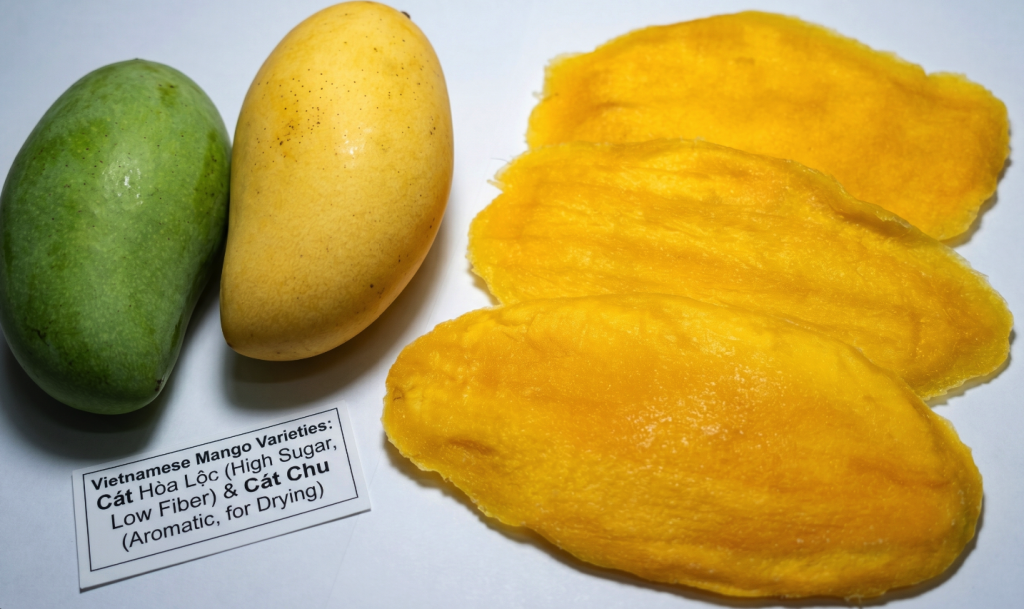
Price is only one part of supplier comparison. Ask how the supplier identifies product and batch, handles specification changes, controls packing, and communicates exceptions. For a private-label or repacking programme, discuss artwork ownership, packaging approval, label-review responsibilities and the process for approving changes.
Keep a written record of the specification version you reviewed. If you evaluate a sample, record what was assessed and which characteristics remain subject to confirmation. If the commercial offer changes, ask whether the change affects product, pack, treatment, route or responsibilities. The importer and downstream food business should then review the product and label against their own food-safety, labelling and commercial requirements.
The Food Standards Agency provides current packaging and labelling guidance for food businesses. This article is not legal advice: the formulation, allergens, packaging, claims and intended sale channel must be checked for the actual product before sale.
5) Build a practical shipment checklist
Before shipment, align the buyer, supplier, freight forwarder and customs agent on the final product and packaging description; approved artwork where relevant; importer-of-record details; commodity classification and invoice information; origin, quantities, weights, value and shipping marks; route, destination and delivery term; any applicable border-control steps; and records required by the importer’s own quality and traceability system.
The checklist is a coordination tool, not evidence that a particular document exists or that a consignment will be accepted. Confirm current requirements shortly before shipment, especially when the product, treatment, packaging or destination changes.
Make the enquiry easy to answer
A strong first message can say: “We are a UK [importer/re-packer/private-label brand] looking for dried mango for [channel]. Please quote against the attached or listed specification, including format, texture target, pack format, case configuration, destination, delivery term and estimated volume. Please identify assumptions and tell us what product information and documents are available for review for this specific enquiry.”
This gives a supplier enough context to respond meaningfully while leaving the buyer in control of its checks. If you are still defining the range, say so. A structured discovery call or sample discussion can help narrow the brief before a commercial commitment.
FAQs
Do I need an EORI number to import dried mango into the UK?
GOV.UK says businesses moving goods to or from Great Britain may need an EORI number, and its import guide says a GB-prefixed EORI is needed to import into England, Wales or Scotland. Confirm the appropriate registration and route with your customs agent for the transaction.
Do I need a phytosanitary certificate or IPAFFS notification?
Do not assume either answer from the word “mango”. Requirements depend on the exact processed product, commodity classification and route. Confirm the current rule for the specific product with the relevant authority or adviser before shipment.
What should I send when requesting a quote or sample?
Send target format, texture and sweetness profile, any ingredient or treatment constraints, pack and case requirements, destination, channel, estimated volume and required specifications. Documentation is discussed based on the product, destination market and buyer requirements. Please share your required specifications and documents when requesting a quote or sample.
One Response