
A supplier comparison should start with evidence, not a price list. Before approving a sample or placing an order, ask each potential Vietnamese soft-dried mango supplier the same practical questions. The answers help you compare product fit, packaging, documentation and commercial assumptions on a like-for-like basis. This guide is general buying guidance; your importer or adviser should confirm destination-market requirements for the exact product and route.
1. What exact product specification are you quoting?
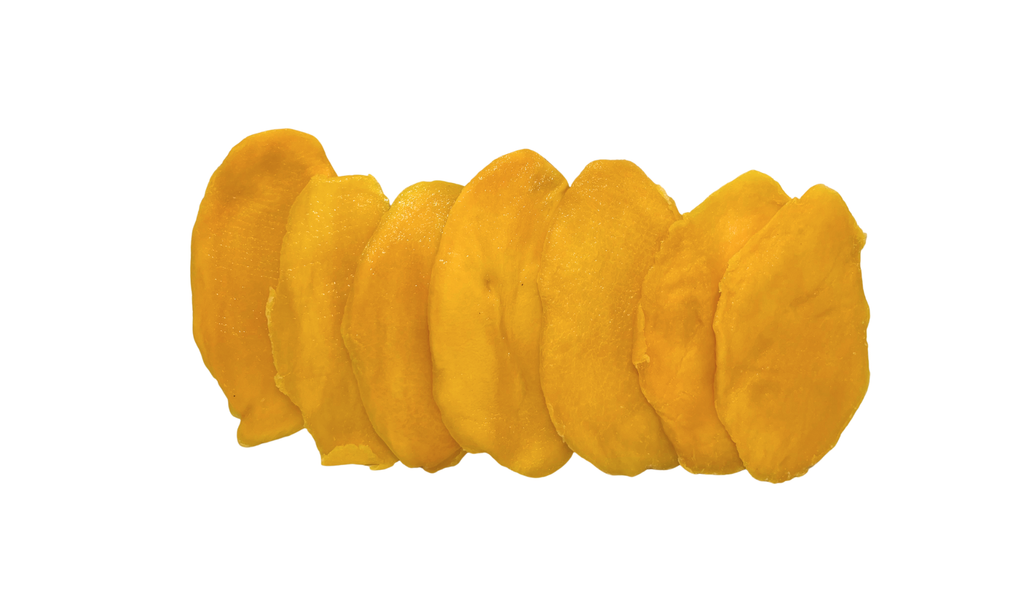
“Soft-dried mango” is a commercial description, not a full specification. A product can differ in mango content, added sugar, preservatives, sulphites, cut style, colour, moisture and chewiness.
Ask for the product basis behind the quotation: fruit format, cut, texture expectation, ingredients, intended use and pack route. A price is only comparable when every supplier is quoting against the same brief.
2. What information do you need to assess feasibility?
A useful supplier should ask about the destination, packaging route, expected quantity range, timing and the product experience you want. This is not a delay; it is how a supplier avoids guessing.
3. What product information can you provide?
Explain the product, ingredient, allergen, packaging and batch-information questions your approval process requires. Request information for the selected product, not a generic company claim.
4. How should I evaluate a sample?
Agree what the sample is meant to represent and record appearance, texture, flavour, intended-use fit and questions that remain open. A sample alone does not settle packaging or destination-market requirements.
At VNPROMISE, we prepare free sample for you evaluation for next import. Check out here
5. What does the MOQ actually cover?
Confirm whether the MOQ applies to bulk product, one SKU, finished retail packaging or a total programme. Ask what changes the answer: product format, pack, artwork, quantity or timing.
6. What packaging route is assumed?
Clarify bulk cartons versus retail packs, pack size, artwork status, label languages and who approves the final print-ready version.
7. Which documents can be confirmed for this product and batch?
State your evidence needs and ask what is available within the supplier’s scope. Do not treat a certification name as a substitute for SKU-specific information or import confirmation.
8. What needs checking for my destination market?
Give the supplier your market and importer role. The supplier may provide product information, but the importer must confirm applicable obligations for the actual route and finished product.
9. Which assumptions can change the final quotation?
Ask about the product format, quantity, packaging, delivery term, timing and evidence requirements that can affect a project-specific quotation.
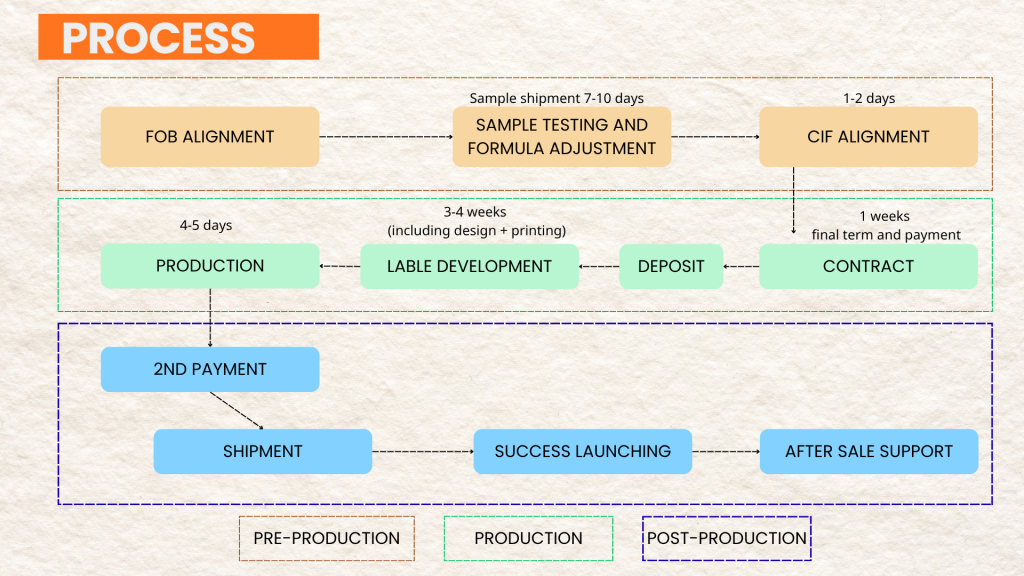
10. What is the next approval gate?
The next step should be clear: feasibility review, sample feedback, specification clarification, artwork review or a project-specific quotation. Avoid moving forward while a material question is unresolved.
Related VNPROMISE resources
Soft-Dried Mango Supplier Due-Diligence Checklist
Before approving a supplier, keep the following in one review file:
- Signed product specification, recipe, ingredient statement, allergen information and approved sample record.
- Current factory certificate and scope, hazard-control summary and batch-specific COA requirements.
- Lot-coding explanation, traceability procedure, processing-site and origin information.
- Packaging specification, shelf-life basis, storage conditions and outer-carton marks.
- Draft label and document pack reviewed for the planned UK route.
- MOQ, delivery term, payment terms, complaint process and recall-support contacts.

FAQs
Is this checklist or guide a substitute for destination-market approval?
No. Use it to organise a buyer conversation and collect relevant information. Confirm product-, batch- and route-specific requirements with the importer, broker or competent adviser responsible for the actual destination.
Can I use the same brief with more than one supplier?
Yes. Sending the same controlled brief helps buyers compare responses fairly. Keep the supplier answers, assumptions and follow-up questions in one record.
Do Great Britain and Northern Ireland use the same food-labelling rules?
No. Food-information rules differ, so confirm the correct label approach for the market where the product will be sold.
Choose evidence before price
A lower price may reflect a different formulation, cut, pack, test programme, delivery term or level of support. Compare suppliers against the same written brief, evaluate a traceable sample and confirm the UK route before committing to a production order. If you are sourcing soft-dried mango from Vietnam, share your target market, desired formulation, pack format, estimated volume and delivery term for a more useful quote or sample discussion.
Sources and publishing check
- GOV.UK, “Importing fruit and vegetables”: https://www.gov.uk/government/publications/importing-fruit-and-vegetables/importing-fruit-and-vegetables
- GOV.UK, “Foodstuffs with GB import restrictions”: https://www.gov.uk/government/publications/foodstuffs-with-gb-import-restrictions/foodstuffs-with-gb-import-restrictions
- GOV.UK, “Packaging and labelling”: https://www.gov.uk/government/publications/packaging-and-labelling/packaging-and-labelling
2 Responses